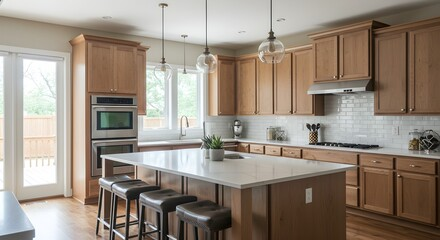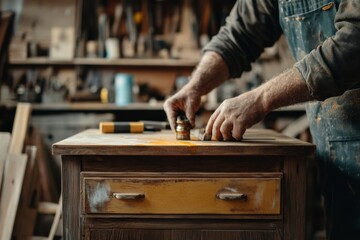
Top Tools and Materials Professionals Use for Cabinet Refinishing

San Jose Cabinet Refinishing

Whether you’re a DIYer or hiring cabinet painting services, you want results that look good and hold up to everyday use. Learn what materials and tools professionals use to get those gorgeous finishes.

Regular wall paint may work well enough for walls, but cabinets need something tougher. Learn about the best paint for cabinets, as well as the other important steps that make or break a long-lasting finish. Contact San Jose Cabinet Refinishing for more information.

Wood

A classic option for cabinet refinishing, solid wood is a durable material with a wide range of finishing options. It also comes in a variety of patterns and textures, giving homeowners the opportunity to make their kitchens truly one-of-a-kind. While solid wood can be more expensive than laminate or veneer, it’s a long-term investment that will last for decades.

When properly sanded and primed, wood can be painted with an array of finishes, from subtle hues like whites, grays, and tans to bolder shades of blues, greens, and reds. When it comes to choosing a finish, professional refinishers typically use lacquer, as this type of finish is durable and offers a glossy shine.

However, a high-quality lacquer finish requires careful application, as a single misstep could lead to uneven surfaces and chipping. It’s also important to clean cabinets thoroughly before refinishing, as grease and grime can interfere with adhesion. In addition, it’s critical to use a lint-free cloth to remove dust particles from the surface and prevent buildup that can dull paint over time.

Refinishing is also more environmentally sustainable than cabinet replacement, as it repurposes existing materials instead of creating new ones. In contrast, replacing cabinets generates a lot of waste and consumes raw materials and energy to manufacture. Additionally, if your old cabinets are made of low-quality materials, they may not hold up to refinishing, and you might be better off with a complete re-build.

MDF

MDF is a popular choice for painted cabinetry and other woodwork because it’s cheap, smooth and dense. The density makes it easy to work with using standard woodworking tools, and it doesn’t warp when exposed to humidity. This quality makes it ideal for use in high moisture areas such as bathrooms and laundry rooms.

MDF can also be used to make inexpensive, stylish wainscotting treatments and other wall paneling effects that feature faux tongue-and-groove designs. It’s also often combined with solid wood to add a more rustic, natural look. Solid wood is an excellent choice for cabinets because it offers timeless beauty and exceptional durability, though it comes at a higher price point and requires more maintenance than MDF.

Both MDF and plywood are great choices for cabinets because they offer a variety of finishing options. Solid wood has a naturally grainy texture that works well for doors, panels and decorative details, while MDF has a smooth surface that’s ideal for painting and laminate veneers. MDF is also easier to cut than solid wood or plywood because it doesn’t splinter.

One downside to MDF is that it absorbs water rapidly due to its extremely fine fibres. This can cause the boards to swell and lose their structural integrity over time. Another concern is that the glue used to hold the fibres together contains formaldehyde, which can release volatile organic compounds (VOC) when exposed to moisture.

To help combat these problems, contractors use moisture-resistant primers and sprayers when refinishing cabinets in high humidity environments like Texas, Louisiana, and Oklahoma. These paints and sprayers reduce drying times and allow for a more consistent finish that’s resistant to bubbles, creases, and mold growth.

Rigid Thermofoil

Thermofoil, also known as Rigid Thermoformable Foils (RTF), is a vinyl material that can be applied over medium-density fiberboard to create smooth and sleek cabinet doors. This unique vinyl wrap is highly resilient and can mimic the appearance of painted wood or stone. Its exceptional printing capabilities and surface embossing make it possible to produce realistic textures that closely resemble natural materials.

Unlike traditional wood cabinetry, which requires touch-ups and additional finishing like paint over time, thermofoil cabinets are extremely durable against moisture, dirt, and grease. This makes them an excellent choice for busy kitchens or moisture-prone bathrooms. In addition, most manufacturers of thermofoil cabinets offer a robust warranty that protects against issues like warping or peeling over time.

To ensure the longevity of your cabinetry, maintain a regular cleaning routine to remove any residue or buildup that can damage the finish. Avoid using abrasive cleaners or harsh chemicals to prevent scratching or dulling the surface. Regular cleanings also help to reduce the risk of mold and mildew.

Before starting your project, carefully label each piece of cabinetry and set them aside in a staging area for easy reassembly later. It’s important to thoroughly clean your cabinet boxes, inside and out, to remove any traces of grease or other contaminants that can affect the refacing process.

Once your cabinet boxes are clean, you’ll want to cover any backsplashes or appliances with plastic and tape to keep them protected during the refinishing process. Finally, you’ll need to sand down any rough patches or protruding bumps on the face frames and rails before applying your new refacing material. This prep will help to provide a smooth canvas for your new material and make the refacing process easier and more efficient.

Hardware

Cabinet refinishing is a detail-oriented project that requires the right tools and careful planning. It’s not a “close enough” kind of job: A half-inch of misjudged space can throw off the alignment of doors, turning your kitchen into a tilted funhouse instead of a sleek and contemporary workspace. And a rushed timeline leads to a poor finish, paint failure, or worse.

Choosing the correct materials is critical for a long-lasting, durable finish that withstands heat and moisture. It’s also important to use a high-quality primer and paint to ensure that the finished product stands up to daily wear and tear. Finally, the right hardware adds a finishing touch and can make your cabinets look like new again.

Before painting, it’s essential to strip the old surface and remove any grease or grime that may be accumulated on cabinet surfaces. Sanding the cabinet surfaces with a medium-grit sandpaper creates a smooth base for the new coat of paint, eliminating rough spots or old surface finishes. Using a fine-grit sandpaper to smooth the sanded areas further produces an even, polished surface.

Once the cabinet surface is clean and dry, it’s time to install the new hardware. Whether you choose minimalist hardware, handles with hidden hinges, or mixed-finish options, it’s important to properly clean and maintain your hardware to ensure it lasts longer.

A cabinet refinishing project is one of the best ways to refresh your kitchen without spending a fortune. But it’s important to plan ahead and understand the limitations of your skill level and available time. If you’re unsure how to proceed, hiring a professional is a smart investment that will save you money and frustration in the long run.

Paint

Professional cabinet painters have the expertise to apply paint in ways that ensure it will look beautiful and last. They know which paints hold up well to moisture and other elements, and they also understand how to properly prep surfaces and use the right tools for a smooth finish. As a result, you’ll get a high-quality finish that will enhance your cabinets and add to your home’s value and curb appeal.

When painting, professionals will begin by using a brush and mini roller to coat the backs of the cabinet doors and their frames. Once dry, they’ll flip them over and coat the fronts of the cabinets. This helps to eliminate visible start and stop points as well as provide a consistent sheen throughout your cabinetry.

Then it’s time to apply the topcoat. They’ll use the same high-quality brushes and rollers to ensure a seamless, even coating. Once the first coat is dry, they’ll sand it lightly to remove any remaining dust nibs and rough areas and ensure the next coat adheres properly.

This process may seem tedious, but it’s an essential step that many DIY homeowners skip. If you don’t sand between coats, the new paint will chip and flake much more easily.

Most professionals will also use a vacuum and tack cloth to clean the surfaces and remove any particles that could affect the final result. They’ll also carefully mask off adjacent areas to protect them from paint splatter, and they will label the doors and hardware to avoid any mismatches later. The result is a fresh, updated look that can transform the entire room and add to your home’s resale value.
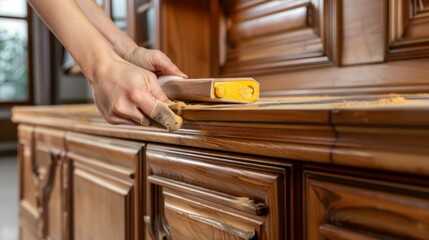
Top Signs Your Kitchen Cabinets Are Ready for Refacing

Sacramento Cabinet Refacing

Cabinet surfaces are subject to daily wear and tear. Surface damage like scratches and dents can diminish the overall look of your kitchen, but it can also lead to structural problems.

Sacramento Cabinet Refacing provides an affordable solution for revitalizing cabinet surfaces and preserving the integrity of your kitchen’s structure. Plus, it’s a much more sustainable option than full cabinet replacements.

1. Loose or Damaged Hardware

Creaky drawers, wonky doors, and missing knobs might sound like the stuff of horror movie plots, but they’re the real deal when it comes to kitchen frustrations. If you’re struggling with these annoying symptoms of wear, refacing can help you love your kitchen again without a full remodel.

Over time, the repetitive opening and closing of cabinets can cause hinges to loosen. Eventually, this leads to cabinet doors that don’t close properly and can lead to structural damage down the road. Refacing can solve this problem for good by using new hinges and drawer slides that are built to last.

Another warning sign to watch out for is if your cabinetry pulls away from the wall. This is a serious safety hazard that can result in damage to drywall and injury to anyone standing beneath it. Luckily, this is usually an easy fix by reinforcing the cabinetry with shims and construction adhesive in addition to replacing any missing screws.

A third common issue is that your drawers and cabinets seem to be falling apart. This is often an indication that there’s a larger problem with the cabinet structure itself, which could mean the need for a full replacement.

Refacing is the perfect solution if you want to refresh your kitchen but don’t have the budget or time for a major renovation. By keeping the existing footprint of your cabinetry, refacing can be completed in less time with much less disruption to daily life. Plus, you can add features like roll-out trays and trash/recycle pull-outs to tailor storage to your family’s needs. Whether you need better functionality or simply a modern design, we’ve got you covered with quality materials and pro installation.

2. Damaged Surfaces

If your cabinets are beginning to show signs of wear and tear, it may be time to consider refacing them. Surface damage can detract from the appearance of your kitchen and can leave you vulnerable to moisture infiltration and structural problems. Moisture can cause wood to warp, and weakened materials can collapse, leaving you with costly repairs or replacements. If you notice that your cabinets are beginning to crack, warp or rot, it’s important to act quickly to minimize further damage and prevent future issues.

In addition to deterioration, moisture can also lead to mold and mildew. These conditions can be difficult to spot because moisture often builds up slowly behind cabinet faces and other interior surfaces. Regularly inspect your cabinets and look for dark spots or musty odors that indicate a buildup of moisture. If you find evidence of mold or mildew, refacing your cabinets can provide a quick and cost-effective solution to the problem.

Cabinet refacing is an eco-friendly alternative to replacement, allowing you to reuse the existing structure of your cabinets while updating their aesthetics. When performed by a skilled and experienced team, this type of renovation can give your kitchen a fresh, new look that complements your appliances and adds a seamless, cohesive design to the room.

If you’re interested in revamping your kitchen without the expense and disruption of a full remodel, contact Savers Kitchen and Bath today to learn more about our cabinet refacing services. Our expert team can help you identify your ideal look and select the best materials to meet your needs. We offer a range of finishes and hardware styles to complement your space, and our professional installation ensures that your cabinets will last for years to come.

3. Outdated Designs

If your cabinet doors or drawer fronts have a style that’s no longer in fashion, it might be time to refresh them with modern alternatives. This approach allows you to achieve a new aesthetic without the cost of a full kitchen remodel.

You can opt for a simple refacing project by applying a laminate veneer to the cabinet face frames and sides. This offers a much more vibrant aesthetic than your current cabinet finish and is easy to clean. Alternatively, you can strip your wood cabinets of their stain and sand them down to bare wood before installing a fresh coat of paint or varnish. While this is a more time-consuming option, it can also result in significant savings over ordering and installing completely new cabinetry.

Another way to modernize your cabinets is by updating their hardware. You can go with classic options like polished nickel or oil-rubbed bronze to keep your space feeling timeless, or you can embrace trendy designs for a more contemporary feel. Whatever your preference, it’s important to evaluate the materials you choose carefully so that they align with your vision for a refreshed kitchen.

Aside from aesthetically, a lack of ease in cleaning can be a big sign that you need to reface your kitchen cabinets. Persistent grime can create an unsanitary environment that promotes bacteria growth, so you want to take steps to address this issue as quickly as possible.

Choosing the right material for your new refacing project will make or break your cabinet’s overall appearance. Veneer options offer a great alternative to solid hardwood, but solid wood is the premium choice for long-term durability. The type of wood you use for your refacing will affect how durable your cabinetry is and how easy it is to refinish or customize.

4. Functional Issues

Cabinets are exposed to a lot of wear and tear. Daily use can cause everything from misaligned doors to squeaky hinges, so it’s important to keep an eye out for functional issues. If your cabinets are difficult to open or close or aren’t storing things efficiently, it may be time for an update. Luckily, cabinet refacing offers a cost-effective alternative to a full remodel that can address these problems.

Kitchen cabinet refacing involves applying a thin veneer over the face frame and drawer fronts to refresh the aesthetic. The process can be completed in a much shorter timeframe than a complete kitchen remodel. It also allows for the addition of new functionality, like quieter soft-close hinges and more efficient storage options.

The most common cabinet refacing option is laminate. This is one of the most budget-friendly options available and can be applied to melamine or MDF face frames. Laminate is easy to clean and resists stains, but it can be susceptible to peeling and chipping over time. It’s also not as warm or natural-looking as real wood, and it doesn’t have the same lifespan as wood.

Detail Design & Remodeling can help you take your kitchen out of the eighties with custom veneers. We can match or complement the existing colors and styles of your countertops, walls, and appliances to create a cohesive and elegant design that’s modern and timeless. We can also help you update your cabinet hardware for a cohesive look. If you’re ready to love your kitchen again, book a free estimate now. We’ll provide clear pricing, finish samples, and a start date that works with your schedule.

5. Unmatched Cohesion with Appliances

Cabinet refacing is a smart solution for kitchens that want to upgrade their look but aren’t ready for the hassle and cost of a full remodel. By maintaining the existing cabinet frames and installing new doors, drawer fronts, and hardware, refacing transforms your kitchen in just a few days. It also saves you from the environmental impact of a complete kitchen replacement and reduces the amount of waste sent to landfills.

Over time, even well-maintained cabinet surfaces can show signs of wear and tear. Scratches, dents, and faded finishes are clear indicators that it’s time to refresh your cabinets with a fresh veneer. When combined with functional issues like drawers that stick or cabinets that won’t close properly, refacing is the smarter alternative to a full renovation.

When choosing materials and styles for your cabinet refacing project, it’s important to find the right match that aligns with your vision for a refreshed kitchen. From the type of wood veneer you choose to your preferred color options, each detail contributes to the overall aesthetic. For example, if you’re drawn to natural shades that reflect the beauty of nature, then opting for hardwood is an ideal choice.

To ensure that your refacing project is done correctly and lasts for the long-term, it’s vital to work with experienced contractors who have an eye for precision. When choosing a contractor, evaluate their portfolio of work to make sure they have experience with the specific types of materials and styles you prefer for your kitchen refacing project. Also, ensure that they’re skilled in the technical aspect of installation and can complement your existing cabinetry with thoughtful design. By doing so, they can ensure that your new kitchen cabinets will blend beautifully with other kitchen elements.

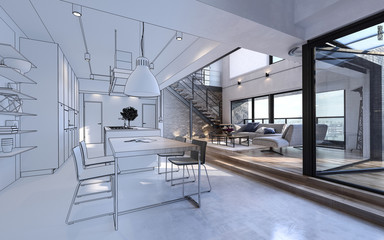
Interior Designs That Transform Every Space into a Masterpiece

Interior designs play a vital role in shaping how we experience a space. From the arrangement of furniture to the use of colors, textures, and lighting, design choices influence both aesthetics and functionality. A well-designed interior not only enhances the visual appeal of a home or office but also creates harmony, comfort, and efficiency in everyday living.

interior design

With endless styles, concepts, and innovative ideas available, interior design has evolved into an art form that combines creativity, practicality, and personality. Whether modern, minimalist, rustic, or eclectic, every design tells a story while meeting the specific needs of its occupants.

The Importance of Interior Design

Interior designs go far beyond decoration. They serve practical and emotional purposes, making spaces more inviting and comfortable. Some key reasons why interior design matters include:

  • Functionality – Proper layouts ensure that rooms are used effectively.
  • Aesthetics – Colors, textures, and finishes create beauty and style.
  • Comfort – Thoughtful designs promote relaxation and well-being.
  • Value – Good design adds value to a property.
  • Personal expression – Interiors reflect individual style and taste.

When balanced correctly, design turns any house into a home and any workplace into an inspiring environment.

Popular Styles in Interior Designs

Every space has its own personality, and choosing the right style is essential. Some of the most popular design styles include:

1. Modern

Characterized by clean lines, neutral colors, and simplicity, modern design emphasizes minimalism and functionality. It often incorporates sleek furniture, open spaces, and natural light.

2. Contemporary

Contemporary interiors embrace current trends while staying flexible. This style often mixes bold accents with simplicity, creating a balance between elegance and creativity.

3. Traditional

Warm tones, detailed furniture, and classic patterns define traditional design. It exudes comfort and timeless appeal, drawing inspiration from historical elements.

4. Minimalist

Minimalism focuses on simplicity and practicality. With uncluttered spaces, neutral palettes, and purposeful furniture, this design style emphasizes “less is more.”

5. Rustic

Rustic interiors bring nature indoors with wood, stone, and earthy tones. The style feels cozy, warm, and organic, perfect for those who love natural charm.

6. Industrial

Inspired by warehouses and factories, industrial design highlights raw materials like exposed brick, metal, and concrete while blending them with modern furnishings.

These design approaches can be customized or combined to reflect individual preferences, resulting in unique interiors.

Elements of Great Interior Designs

Designing an interior requires attention to detail and understanding of key elements. The following components are essential for creating balance and harmony in any space:

  • Color schemes – Colors set the mood, whether calm and soothing or bold and energetic.
  • Lighting – Natural and artificial lighting dramatically influence ambiance.
  • Textures and materials – Soft fabrics, wooden finishes, and smooth surfaces add depth.
  • Furniture arrangement – Placement impacts the flow and usability of space.
  • Accessories and décor – Rugs, artwork, and plants add personality.
  • Balance and proportion – Proper scale ensures everything feels cohesive.

When these elements come together, they create interiors that are both visually appealing and highly functional.

Benefits of Professional Interior Designs

While many people attempt DIY decorating, professional interior design offers unique advantages. Experienced designers understand how to combine creativity with practicality to achieve outstanding results.

Key benefits include:

  • Expert planning – Maximizes space and functionality.
  • Cost savings – Avoids mistakes and ensures smart material choices.
  • Unique ideas – Brings fresh and innovative concepts to life.
  • Time efficiency – Speeds up the design process.
  • Customized solutions – Tailors every detail to personal lifestyle and taste.

Professional design services transform visions into reality, ensuring interiors are both stylish and practical.

Trends in Interior Designs

Interior design trends continue to evolve, reflecting lifestyle changes and new inspirations. Some current trends gaining popularity include:

  • Sustainable design – Eco-friendly materials and energy-efficient layouts.
  • Biophilic elements – Incorporating plants and natural textures indoors.
  • Open-concept living – Seamless flow between living, dining, and kitchen areas.
  • Smart home integration – Technology-enhanced interiors with automated systems.
  • Multifunctional furniture – Space-saving designs for modern living.
  • Bold accent walls – Vibrant colors and textured finishes for personality.

These trends show how design adapts to contemporary needs while blending style and sustainability.

Tips for Enhancing Interior Designs

Even without a complete renovation, small changes can elevate interiors. Simple yet effective tips include:

  • Add mirrors to create the illusion of space.
  • Use layered lighting for warmth and flexibility.
  • Incorporate rugs to define and anchor areas.
  • Mix textures like wood, metal, and fabric for depth.
  • Display personal items such as photos or artwork for character.
  • Choose furniture that balances comfort and aesthetics.

These easy adjustments can make a dramatic difference in how a room feels.

Interior Designs for Every Space

Interior design isn’t limited to living rooms or bedrooms. Every area of a home or office benefits from thoughtful design.

  • Living rooms – Serve as gathering spaces and should feel welcoming.
  • Kitchens – Focus on function, with efficient layouts and durable surfaces.
  • Bedrooms – Prioritize comfort, tranquility, and personal style.
  • Bathrooms – Combine functionality with relaxation elements like lighting and colors.
  • Workspaces – Require a balance between productivity and creativity.

Each space has different needs, but all can be transformed with intentional design choices.

The Future of Interior Designs

The future of interior design is moving toward sustainability, wellness, and technology. Homeowners are increasingly prioritizing eco-conscious materials, natural light, and designs that promote health and happiness. Smart home features and flexible layouts will also play a larger role as lifestyles change.

With innovation and creativity driving the industry, interior design will continue to evolve, offering endless opportunities to personalize and enhance living spaces.

Interior designs are about more than decoration—they are about creating environments that improve lifestyle, comfort, and aesthetics. From color choices to furniture layouts, every detail contributes to the beauty and functionality of a space. Whether following popular styles or blending unique ideas, thoughtful design can completely transform a home or workplace.

By investing in design, you not only enhance your environment but also add long-lasting value to your property. Interior design is truly the art of turning ordinary spaces into extraordinary experiences.